5 Simple Habits for Better Sleep
Small rituals that support a better night’s rest — in honor of World Sleep Day
World Sleep Day is a reminder of something simple: rest matters.
Sleep shapes how we think, work, and feel. Yet better sleep rarely comes from one big change. More often, it comes from small habits repeated consistently.
A calm evening routine, a darker room, and a few intentional rituals can make a meaningful difference over time.
Here are five simple habits that can help support better sleep.
1. Create a Wind-Down Ritual
Sleep doesn’t begin when your head hits the pillow.
It begins with the transition.
A consistent wind-down routine helps signal to your brain that the day is ending. This can be something simple — reading a few pages of a book, stretching, journaling, or dimming the lights around your home.
Fragrance can also play a meaningful role in this transition.
Our brains respond strongly to scent. When a familiar fragrance becomes part of a nightly routine, it can act as a subtle cue that it’s time to slow down. Over time, that association can help the body relax more easily.
Lighting a candle in the evening is one of the simplest ways to introduce this ritual. The soft glow naturally lowers the intensity of the room while fragrance fills the space in a gentle, consistent way.

Many people incorporate candles into their wind-down routine — lighting one while reading, tidying the house for the night, or enjoying a quieter moment before bed.
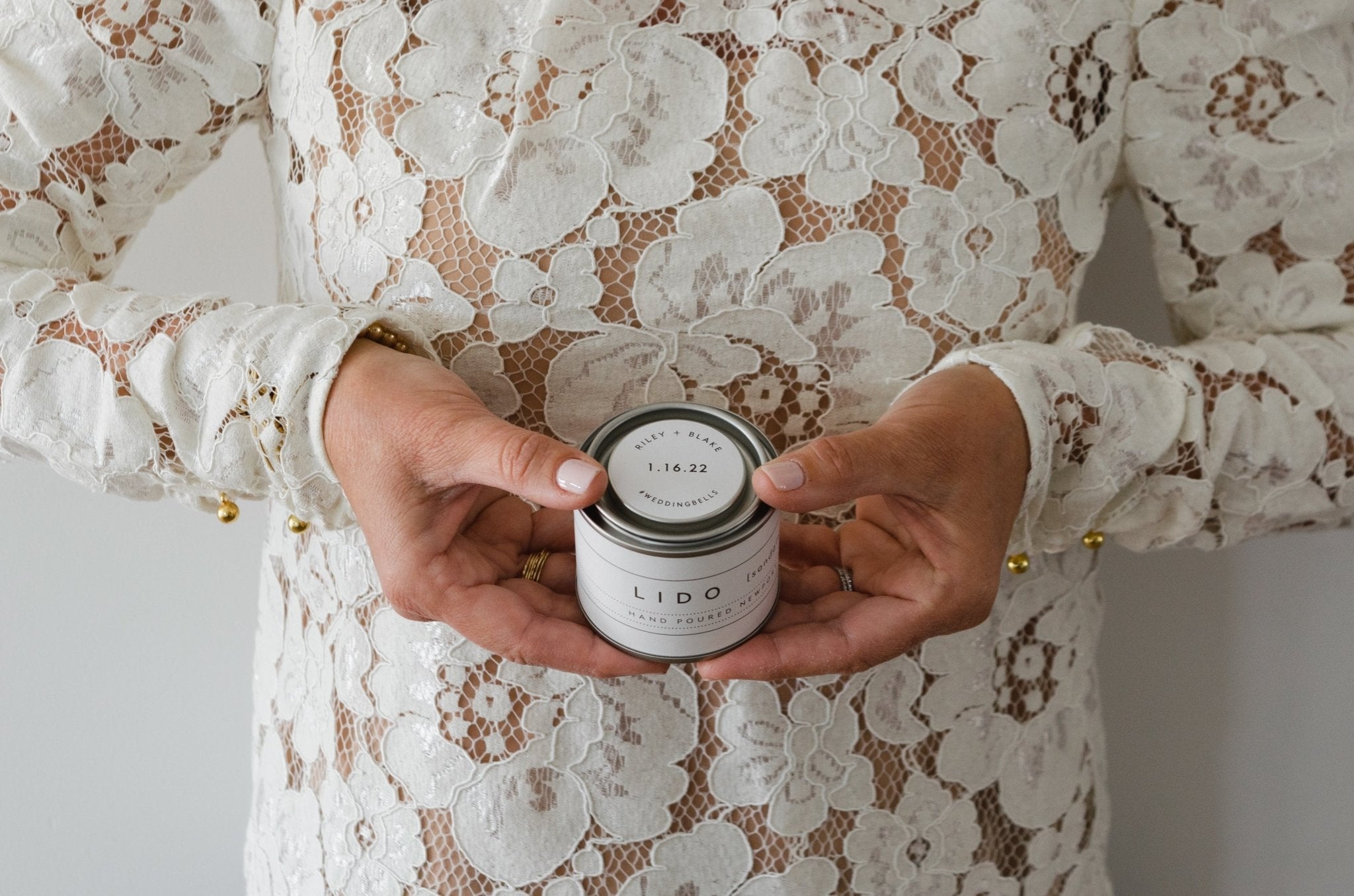
Candles such as LIDO [sandalwood], Apolena [sea salt], and GROVE [orange blossom] are often used in evening routines because their warm, grounding scents help create a calm environment at the end of the day.
It’s a small ritual, but an intentional one.
2. Keep Your Bedroom Dark
Light is one of the strongest signals affecting your sleep cycle.
Even small amounts of light — from a window, hallway, or electronics — can interrupt deeper sleep. Creating a darker sleep environment helps support your body’s natural rhythm.
This is why many people focus on reducing light exposure at night by using blackout curtains or minimizing electronics in the bedroom.
An eye mask can also be helpful, especially for travel, shared bedrooms, or early sunrise mornings.

A simple accessory like the BH eye mask helps block light and create a more consistent sleep environment.
3. Reduce Evening Stimulation
Late-night emails, bright screens, and endless scrolling make it harder for the brain to shift into rest mode.
One helpful habit is reducing stimulation during the hour before bed.
This might include:
-
Turning off notifications
-
Switching to softer lighting
-
Putting phones or laptops away earlier
Replacing screen time with slower rituals — reading, stretching, or journaling — can make evenings feel calmer and more intentional.
Sometimes the simplest change is just giving yourself a quiet moment at the end of the day.
4. Keep a Consistent Sleep Schedule
Our bodies respond well to rhythm.
Going to sleep and waking up at roughly the same time each day helps regulate your internal clock and improve overall sleep quality.
Consistency doesn’t have to be perfect, but small patterns help the body recognize when it’s time to wind down.
Many people pair this with an evening ritual — dimming lights, lighting a candle, or stepping away from the day’s activity at the same time each night.
The goal isn’t perfection.
It’s rhythm.
5. Consider Magnesium as Part of Your Routine
Some people include magnesium as part of their nighttime wellness routine.
Magnesium plays a role in supporting muscle relaxation and regulating the nervous system, which is why it’s commonly included in evening routines.
Some people take magnesium supplements, while others prefer magnesium-rich foods such as:
-
Almonds
-
Spinach
-
Pumpkin seeds
-
Dark chocolate
If supplements are part of your routine, many people take them about an hour before bed.
As always, it’s best to check with a healthcare professional if you have questions about what’s right for you.
Better Sleep Starts with Small Rituals
Better sleep doesn’t require complicated routines.
Often it’s the small signals that matter most.
A dim room.
A familiar scent.
A darker bedroom.
A consistent routine.
Over time, these small habits create an environment that encourages rest.
Frequently Asked Questions About Sleep Routines
Does scent help with sleep?
Scent can help create a calming environment before bed. When the same fragrance becomes part of a nightly routine, it can signal to your brain that the day is ending. Many people light a candle while reading or relaxing in the evening to create a softer, more peaceful atmosphere.
What scents are good for winding down?
Many people gravitate toward warm, grounding fragrances in the evening. Scents like sandalwood, sea salt, or soft citrus can help create a calm atmosphere that supports relaxation before bed.
How dark should a bedroom be for better sleep?
A darker sleep environment generally supports better rest. Reducing light from windows, electronics, or hallways helps the body maintain its natural sleep cycle. Eye masks are often used to block light and create a more consistent sleep environment.
When should a nighttime routine start?
Many people start their wind-down routine about 30–60 minutes before bed. Dimming lights, reducing screens, and slowing down evening activities can help signal to the body that it’s time to rest.